











The “Hidden Worry” of Modern Materials
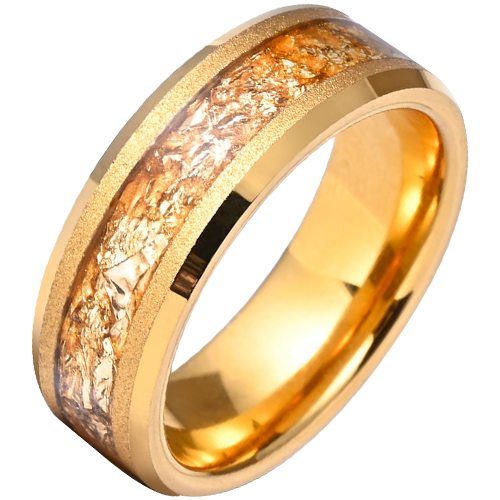
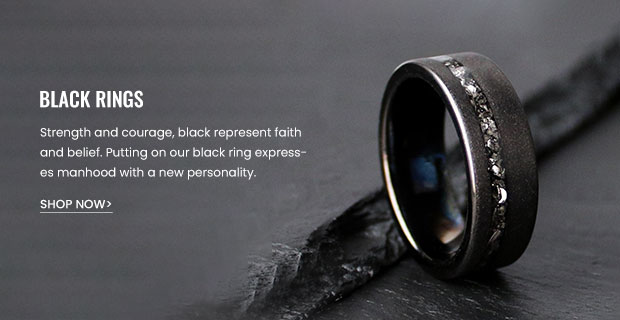
The unique aesthetic and featherlight weight of carbon fiber have made it a truly exceptional choice for modern jewelry, particularly for Carbon Fiber Rings.
However, the very nature of this material—being a composite—triggers a major concern for many users: the adhesive. Users generally know that carbon fiber is not just fiber; it’s held together by a binder, typically epoxy resin, or “glue.” This leads to an anxious question: Will this resin cause skin allergies or irritation like cheap costume jewelry?
This article promises to dissect the components of a carbon fiber ring and provide professional standards for health and safety, ensuring you can wear your unique commitment with absolute peace of mind.
Ingredient Breakdown: Is the Allergy from the “Fiber” or the “Glue”?
To understand the safety of carbon fiber rings, we must look at their core components.
The Anatomy of Carbon Fiber: Fiber Meets Resin
A carbon fiber ring is essentially a Composite Material, consisting of two main parts:
1. The Reinforcement: The carbon fiber threads themselves.
2. The Matrix: The resin base (usually epoxy) that bonds the threads together and gives the ring its final shape and rigidity.
The Crucial Distinction: The carbon fiber threads themselves are chemically inert and safe. The potential for skin irritation or allergic reaction almost always comes from the solidified resin or, more commonly, residue from incompletely cured resin.

Metal Allergy vs. Resin Allergy: What’s the Difference?
Understanding the source of irritation is key:
Type of Allergy | Source of Irritation | Affects |
Metal Allergy | Ions released by metals like Nickel, Copper, or Cobalt (common in white gold or cheap alloys) that dissolve into the skin. | Causes red, itchy rashes (contact dermatitis). |
Resin Allergy | Caused by specific chemical components, primarily in uncured or low-quality industrial-grade resin. | Causes chemical irritation or contact dermatitis. |
The key advantage here is that carbon fiber rings are inherently free of metal allergens. This makes them a naturally safer choice for individuals with known sensitivities to traditional jewelry alloys.
Health Assurance: Choosing Biocompatible Materials
The quality of the resin—the “glue”—is the single most important factor determining the ring’s health and safety.
What is Biocompatible (Medical-Grade) Resin?
Top-tier carbon fiber rings are made using high-purity, low-allergen resin. In the best cases, manufacturers use resins that meet biocompatibility standards, which means the material is safe enough for use in medical or dental applications.
● The Safety Mechanism: Once a high-quality, biocompatible resin is fully cured, it achieves an extremely high state of chemical inertness. It will not leach or release irritating chemical compounds onto the skin.
● The Uncured Risk: The risk of irritation is highest when a ring is made with low-grade industrial resin or when the resin is not fully and properly cured. Any remaining liquid or semi-cured residue can trigger a skin reaction.
Why Carbon Fiber is Often Healthier Than White Gold
For a user seeking a healthy ring option, carbon fiber often surpasses traditional choices:
● Nickel: Many white gold alloys contain nickel, a potent and common allergen.
● The Clean Slate: Carbon Fiber Rings bypass all these concerns by eliminating the metal component, offering a truly hypoallergenic solution for those with severe metal sensitivities.
Quality Indicator: The Importance of a Complete Cure
A quality manufacturer ensures their carbon fiber rings undergo a complete and precise curing process (often involving heat and pressure). A smooth, hard finish is your visual clue that the resin has fully polymerized, stabilizing the chemical structure and rendering it inert.

The Buying Guide: Ensuring Long-Term Wear Safety
To guarantee the long-term safety and health of your Carbon Fiber Rings, focus on the jeweler’s craftsmanship and material sourcing.
Examine the Finish: The “Sealed” Quality Craftsmanship
A safe, high-quality carbon fiber ring should have a smooth, non-porous, and completely sealed surface.
● The Visual Test: Look closely at the surface. A professional finish means the resin has fully encased and sealed every thread of the carbon fiber, preventing any potential irritants from contacting the skin. If the surface appears dull, rough, or porous, it may indicate a rushed or incomplete curing process.
Avoid the Low-Cost DIY Trap
Be wary of extremely low-priced or “homemade” carbon fiber jewelry.
● The Risk of Industrial Resin: These low-cost products often use industrial-grade resin meant for structural components (like car parts), not skin contact. Furthermore, their curing process may not be standardized, significantly increasing the risk of allergic reactions from incomplete curing.
● Recommendation: Stick to reputable, professional jewelers who can explicitly confirm the origin and grade of the resin used, ideally stating it meets some form of health/biocompatible safety standard.
Conclusion
Carbon fiber rings are fundamentally a healthy, low-allergy choice, often offering superior skin safety compared to many metal alloys that contain nickel.
The key to long-term safety lies not in the fiber, but in the quality and cure of the resin. By choosing a ring made with professional craftsmanship and, ideally, biocompatible resin, you can confidently wear this unique, lightweight, and modern symbol of commitment without worrying about skin irritation or chemical exposure. Embrace the innovation, and enjoy the comfort.