










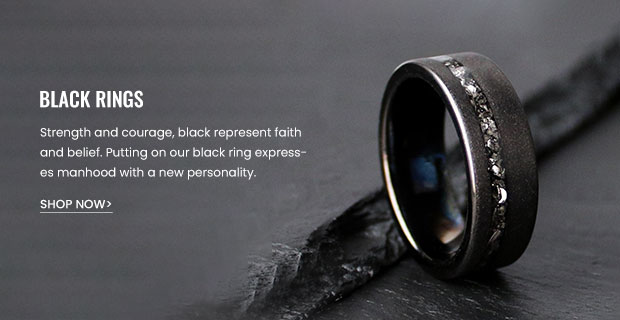



Introduction: The Invisible Architecture of Status
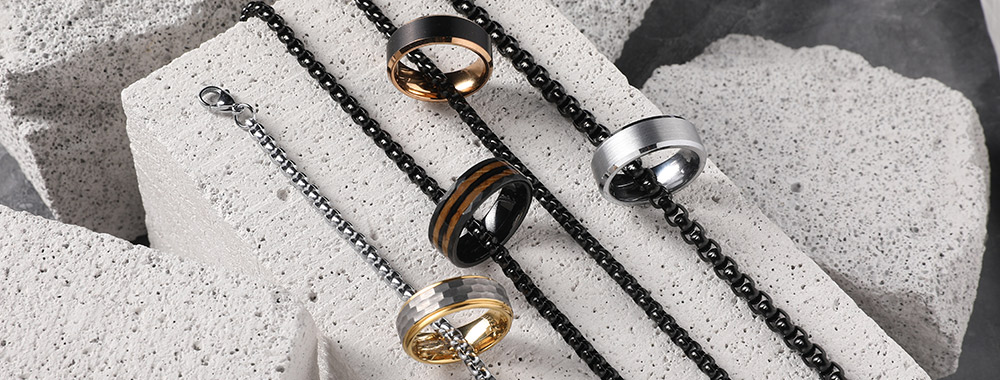
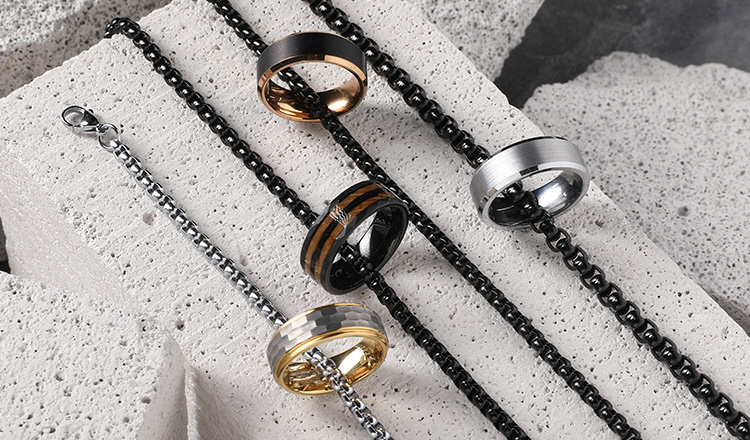
For the modern man, a ring is far more than a decorative circle of metal; it is a piece of social architecture. While most men occupy the “baseline” of wearing only a wedding band, those who understand the deeper logic of jewelry use it to anchor their professional, class, and subcultural identities. This isn’t about “fashion” in the fleeting sense—it is about strategic presence. By moving beyond the binary of “married or single,” you can use men’s rings to broadcast a sophisticated narrative of power and institutional belonging.
The “Rarity” Strategy: Why Wearing Fashion Rings is a Bold Identity Statement
In current social environments, the raw evidence is clear: “In person, I almost never see men wearing rings besides wedding bands.” This widespread hesitation among the general population creates a massive opportunity for the strategic man to employ the “Rarity Strategy.”
The High-Status Aesthetic Privilege
When you choose to wear a ring that isn’t a traditional band, it is immediately decoded as a “high-status aesthetic privilege.” It signals that you are comfortable standing out from the “mundane” crowd and that you possess the confidence to navigate social spaces without conforming to the lowest common denominator of style. Unlike men’s wedding bands, which signal a private commitment, a non-wedding ring signals a public mastery of self-image, marking the wearer as an individual of high social capital.
Professional Heritage: The “Secret Handshake” of Elite Expertise
In certain high-stakes professions, jewelry serves as a functional ID card. This isn’t about looking “fancy”—it’s about signaling institutional pedigree. The most potent example is the “Iron Ring” for engineers, which is worn on the pinky of the dominant hand.
Beyond Decoration: Institutional Belonging
This specific placement is decoded not as a vanity choice, but as a “Secret Handshake.” It signals that the wearer has survived a rigorous vetting process and belongs to a specific tribe of elite experts. When you wear a ring associated with a guild, a fraternity, or a specialized professional body, you are utilizing a “Permanent Social Asset.” It tells the room that you have “arrived” and that you carry the weight of your institution’s history with you into every negotiation.
The Class Ring Dilemma: Balancing Alumni Pride with Professional Maturity
Social decoding often gets complicated when dealing with alumni rings—the massive gold bands often associated with “50-year-old Aggies” or Ivy League graduates. These pieces act as a bridge between your past achievements and your current status.
The Anchor of Regional Status
In specific regions or industries, the alumni ring is a vital tool for establishing immediate trust. It signals a shared background and a common set of values. However, to avoid being decoded as “living in the past,” the ring must be worn as a symbol of lifelong membership rather than student nostalgia. By treating the ring as a “Permanent Social Asset,” you transform it from a graduation souvenir into a definitive marker of your place within a powerful social network.
 The Storyteller’s Advantage: Anchoring Personal Narratives
The ultimate goal of wearing men’s rings is to transition them from “fashion props” to “personal anchors.” A ring that is “meaningful to me”—perhaps a family signet or a piece representing a significant life milestone—carries a different social weight than a trend-chasing accessory.
Reducing the “Flashy” Risk
When a ring is anchored to a personal story, the risk of it being decoded as “tacky” or “flashy” vanishes. Because the ring has a specific purpose and history, it feels integrated into your persona. This stability prevents the wearer from appearing desperate for attention; instead, the jewelry becomes a silent narrator of your life’s journey, providing a haptic reminder of your values every time you see it on your hand.
Data Matrix: Identity Archetypes vs. Social Signal
Identity Archetype | Core Signal | Primary Material Focus | Social Decoding |
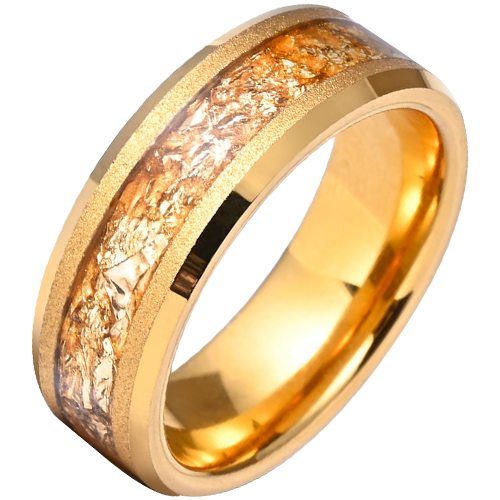
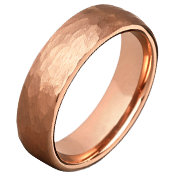
The Individualist | Rarity & Confidence | Matte Metals / Unique Textures | High-status; “Stands out from the mundane.” |
The Professional | Expertise & Pedigree | Stainless Steel / Heavy Signets | Reliable; “Belongs to an elite guild.” |
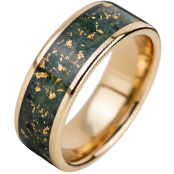
The Legacy Holder | Heritage & Lineage | Solid Gold / Heirloom Stones | Established; “Carries family/institutional weight.” |
The Modern Minimalist | Discipline & Editing | Low-profile Titanium/Silver | Focused; “Does not over-decorate.” |
Scenario Modeling: Navigating High-Stakes Social Spaces
The High-Level Negotiation: Prioritize your “Heritage” or “Professional” ring. It signals that you are backed by an institution or a legacy, providing a psychological edge and building Haptic Trust before the first word is spoken.
The Creative Networking Event: Use the “Rarity Strategy.” A single, non-traditional band on a non-wedding finger marks you as an innovator who isn’t afraid to break from the “wedding band only” crowd.
The Multi-Generational Gathering: This is the time for the “Legacy” ring. It connects you to the seniors in the room while signaling to the younger generation that you are a steward of the group’s shared history.
Trust Signals: The Weight of Social Authority
For a ring to be decoded as a symbol of power rather than a costume, it must pass the “Haptic Trust” test:
Structural Authenticity: The metal must match the weight of the claim. A “power ring” that feels light or hollow immediately loses its social authority.
Intentional Placement: Consistency is key. Moving a ring from finger to finger suggests indecision. Keeping it in a fixed “anchor” position suggests a stable identity.
Material Integrity: Real stories deserve real materials. Whether it’s one of our durable men’s rings or a precious heirloom, the material must be as enduring as the identity it represents.
 Conclusion: Redefining Professional Resilience
True power in men’s style is found in the ability to signal belonging without saying a word. By leveraging the rarity of non-wedding jewelry and anchoring your rings to your professional and personal heritage, you move beyond simple fashion and into the realm of strategic social presence—ensuring you are always decoded as a man of substance and status.