











Introduction: Redefining the Dynamic Balance of Silicone Materials
In ergonomic design, measuring a silicone ring is not just a calculation of length, but a precise engineering task involving material elasticity and human dynamic changes. Unlike traditional hard metals such as gold, tungsteno, or titanium, silicone possesses unique physical tension, meaning that following the sizing logic of metal rings often leads to a fit that is too loose. For male users seeking a precision experience, understanding “dynamic wear feel” is key to preventing ring loss or restricted blood circulation. This guide, written from an ergonomic perspective, will reveal how to lock in that “Golden Size” that is both secure and comfortable, ensuring your band fits perfectly during workouts, work, and daily life.
The Science of Stretch: Why Silicone Sizing Logic is Different
As an Elastomer, the most notable physical characteristic of silicone is its deformation and rebound under stress. This property dictates that when choosing a size, we must account for the Stretch Factor.
Elasticity and the Logic of Half-Sizes
Hard metal rings must be accurate to 0.25mm because they offer zero compromise. Silicone rings, however, possess an elastic buffer of approximately 5% to 10%. Based on this physical attribute, the ergonomic standard recommendation for those between sizes (half-sizes) is to “size down rather than up.” A slightly snug silicone ring will micro-adjust to the shape of your finger base within 48 hours, achieving a near-custom fit, whereas an oversized ring will easily slide off when wet due to the material’s flexibility.
Característica | Hard Metal Rings (Gold/Tungsten) | Performance Silicone Rings |
Tolerance/Buffer | ±0.25mm (Zero Stretch) | 5% to 10% Elastic Buffer |
Sizing Logic | Exact Match or Size Up | Size Down (for half-sizes) |
Adaptability | Static (Fixed Diameter) | Dynamic (Expands with swelling) |
Fit Stability | Slides over the knuckle easily | Compresses to pass the knuckle securely |
Adapting to Environmentally Induced Finger Changes
A man’s finger circumference fluctuates significantly with ambient temperature, salt intake, and exercise intensity. While traditional metal rings cause noticeable pressure and pain when fingers swell, high-performance silicone expands accordingly. This “auto-adjustment” feature is a core advantage of silicone rings, but initial measurements must be taken at room temperature with the finger in a relaxed state to obtain the most accurate baseline data.
 Precision Measurement: Engineering the Golden Fit
The process of obtaining precise data should be as rigorous as mechanical drafting. We advise against using a simple string, as the compressibility of fibers introduces significant margins of error.
How to properly size a men’s silicone ring?
The most professional method is using a plastic sizer with incremental scales or referring to professional ring sizer provided by brands like Gentlebands. When measuring, ensure the tool wraps snugly around the base of the finger while being able to slide over the knuckle with slight effort. For most men, the knuckle is the primary obstacle, but because silicone stretches, you can choose a size slightly smaller than the knuckle circumference to ensure it doesn’t wobble once seated at the base of the finger.
Measurement Reliability: Utilize high-precision plastic sizers instead of string to eliminate measurement variances.
Knuckle Management: Exploit material elasticity by sizing for the finger base rather than the maximum knuckle width.
Secure Fit Guarantee: Prevent accidental loss during aquatic or high-motion activities by prioritizing a snug baseline fit.
Pressure Distribution and Wear Assessment
A perfect silicone fit should leave a very faint mark on the skin but should not cause discoloration of the fingertip or a stinging sensation. From an ergonomic standpoint, the ideal pressure distribution should be uniform. If you can easily slide a toothpick between the ring and your finger, the sizing is likely correct; if you can easily insert a finger, the size is too large, posing a risk of loss during vigorous activity.
Long-term Stability: Preventing Material Fatigue
While high-quality medical-grade silicone has excellent shape memory, inferior silicone may suffer permanent deformation after prolonged exposure to heat or specific oils.
Impact of Material Fatigue on Sizing
When planning for a precision fit, it is essential to identify the grade of the material. High-density silicone with a higher Shore A Hardness rating retains its original diameter much longer. For heavy lifters or mechanical operators, we recommend styles with slightly increased wall thickness. This structural design helps distribute Tensile Stress and prevents the ring from thinning or elongating after frequent use, ensuring the initial measured size remains accurate for years.
Redundancy Design for Environmental Factors
When making a sizing decision, consider your geographic location. If you live in a tropical or high-humidity area where fingers stay slightly swollen, your sizing choice can be conservative. Conversely, in cold regions where skin contraction is more pronounced, a tighter fit is safer. Introducing this “Environmental Redundancy” into your measurement can significantly improve long-term comfort.
Dimensional Integrity: Select materials with higher Shore A Hardness to ensure the ring maintains its measured diameter.
Structural Durability: Utilize increased wall thickness to prevent material thinning under high Tensile Stress.
Climatic Optimization: Adjust sizing based on local temperature variables to account for permanent skin contraction or expansion.
Strategic Fit Optimization: Refining Your Decision
The final sizing decision should be a synthesis of physical parameters and personal behavioral habits.
Performance Testing Under Dynamic Tasks
Before ordering, ask yourself: Do you more frequently perform gripping actions (such as rowing or wrench work) or fine motor tasks? Frequent gripping causes the hand muscles to engorge, which is where the elasticity of silicone reaches its peak performance. If you are choosing a brand like Gentlebands that features high-rebound properties, you can fully trust their sizing charts and order based on your tightest measured data.
Task-Specific Alignment: Optimize fit based on active hand engagement during heavy gripping versus static tasks.
High-Rebound Security: Rely on premium elastic memory to maintain a tight seal even after extreme deformation.
Engagement represented: Ensure your commitment remains wearable during 100% of professional and athletic activities.
 Conclusion: Establishing Precision Trust in Your Wear
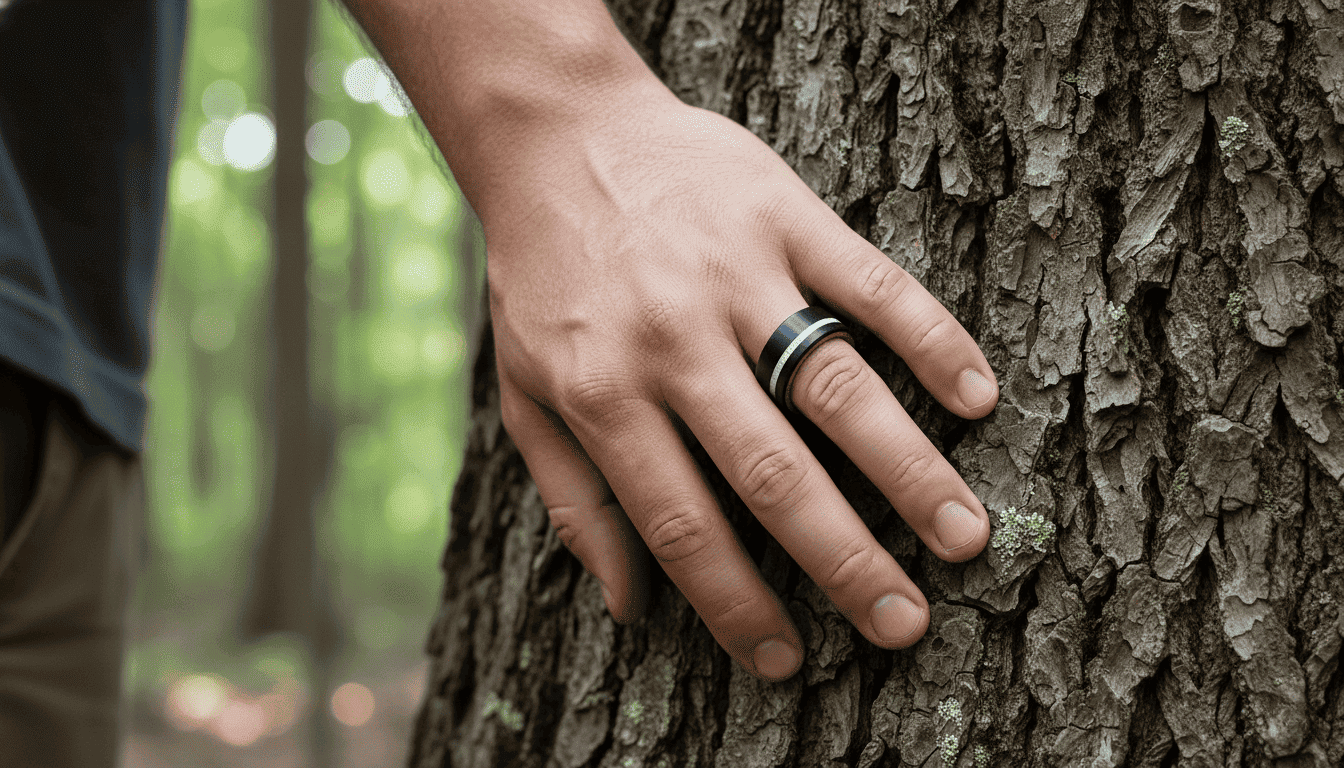
In conclusion, silicone ring sizing is an art of balancing elasticity. By understanding the “size down” principle, considering the stretch factor, and focusing on knuckle clearance, you can completely eliminate the loose-fit concerns associated with silicone materials. A precise fit is not just about preventing loss; it is about maximizing the physical advantages of silicone in terms of safety, comfort, and professional performance. Once you lock in that perfect number, your ring will no longer be a burden, but a loyal partner that moves and feels as you do.