











A promise ring is most commonly worn on the dedo anular, either left or right, depending on its meaning. While there are no strict rules, this placement often reflects love, commitment, or personal vows. In this article, we’ll explain the traditional and modern practices, how finger choice varies for men and women, and what your ring placement says about your relationship.
The Emotional Significance of a Promise Ring
A promise ring is more than just jewelry—it’s a powerful symbol of devotion, hope, and the journey between two people. Unlike engagement rings or wedding bands, a promise ring often marks a stage of emotional commitment, without the formality of marriage just yet.
Whether given as a pre-engagement gift, a token of long-distance love, or a reminder of personal vows, this ring communicates trust, intention, and exclusivity. It’s often the first serious symbol exchanged between partners, carrying strong emotional weight regardless of the finger it’s placed on.
Traditional Placement: What Finger Does a Promise Ring Go On?
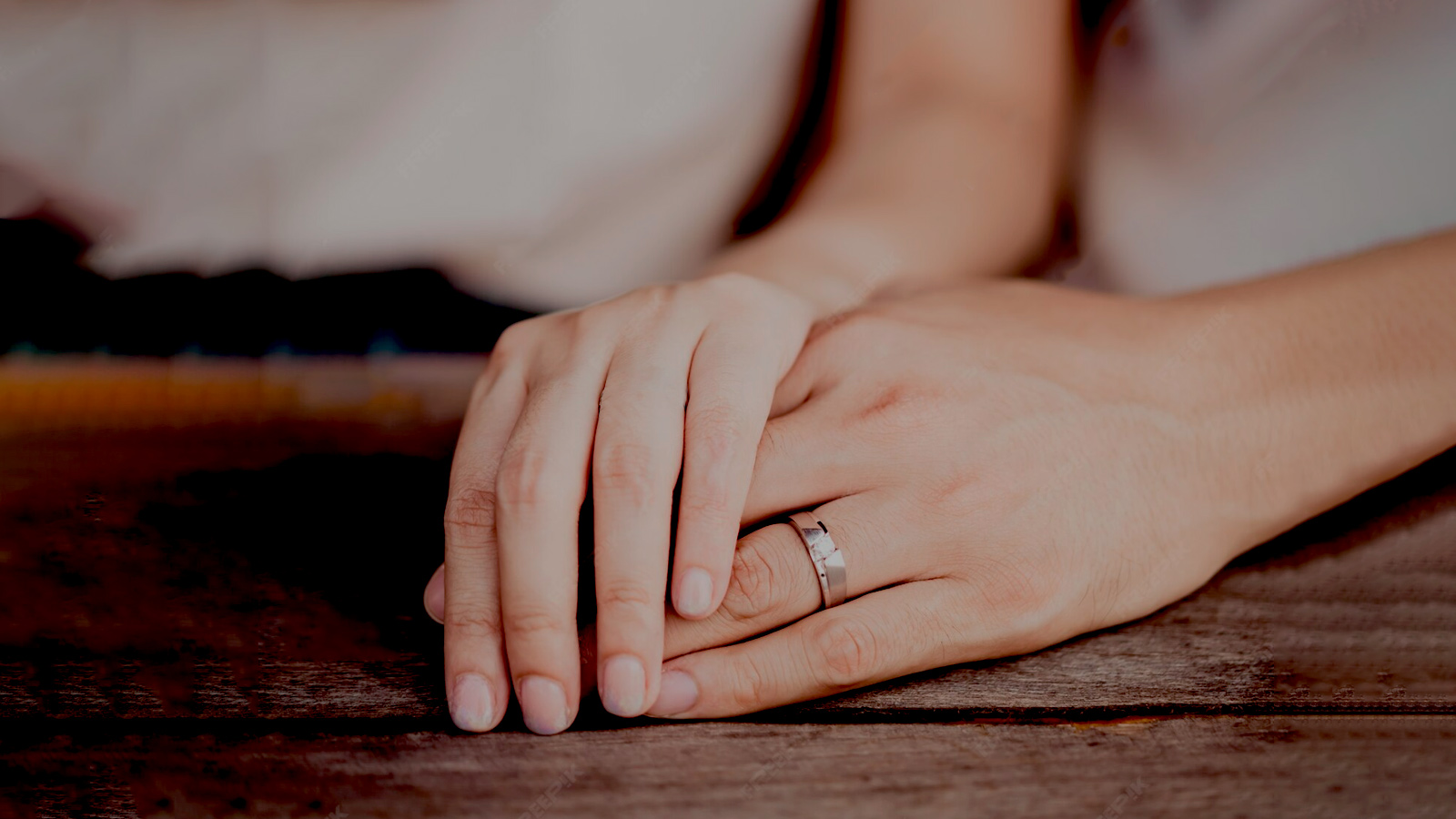
In traditional Western culture, the ring finger of the left hand is most commonly chosen for promise rings, especially when the gift signifies romantic commitment or pre-engagement. This placement aligns with the ancient belief in the “vena amoris” or “vein of love,” thought to run directly to the heart from this finger.
Ring Finger Promise Ring vs Other Fingers
– Left Ring Finger: Ideal for romantic commitments, often used in pre-engagement scenarios.
– Right Ring Finger: Popular when the promise ring symbolizes friendship, purity, or personal goals.
– Middle Finger: A neutral, balanced option for those who prefer not to signal engagement intentions.
– Pinky or Thumb: Less common but trendy among those with fashion-forward or nontraditional styles.
Ultimately, there are no hard rules—what matters most is what the ring represents for the person wearing it.

Promise Rings for Couples: Should Both Wear a Promise Ring the Same Way?
While some couples choose to wear matching rings, it’s not necessary to wear them on the same finger. The most important thing is that the ring feels meaningful and comfortable to each person.
Matching Ring Styles and Placement
– Some couples opt for identical bands to signify unity, reflecting the tradition of promise rings.
– Others prefer complementary styles that reflect each partner’s unique taste.
– Placement may vary—left for one, right for the other—depending on each individual’s comfort, culture, or symbolism.
Do Men Wear Promise Rings and on Which Finger?
Absolutely! While traditionally more common among women, promise rings for guys are now widely embraced.
Promise Ring Meaning for Guys vs Girls
– For men, promise rings often symbolize faithfulness, loyalty, and exclusivity, especially in long-term or long-distance relationships.
– Many men choose to wear theirs on the right ring finger or middle finger, both for comfort and to distinguish it from an engagement or wedding band.
– Women, on the other hand, more frequently wear promise rings on the left ring finger as a symbol of future commitment.
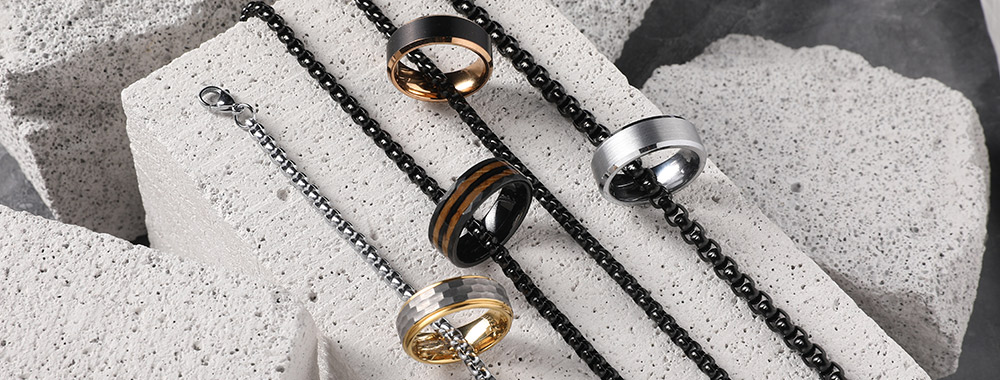
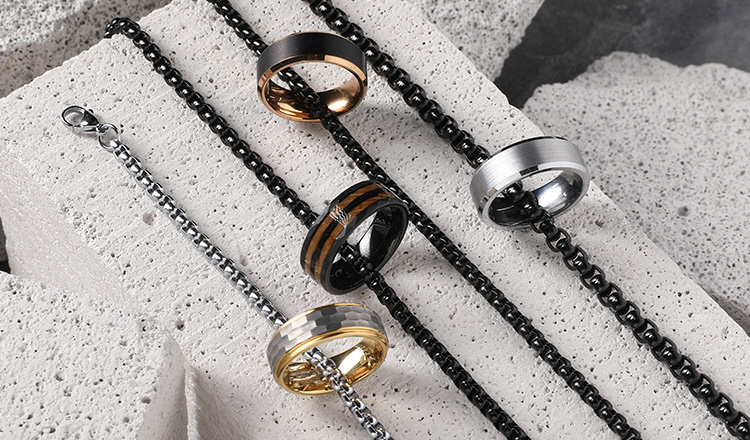
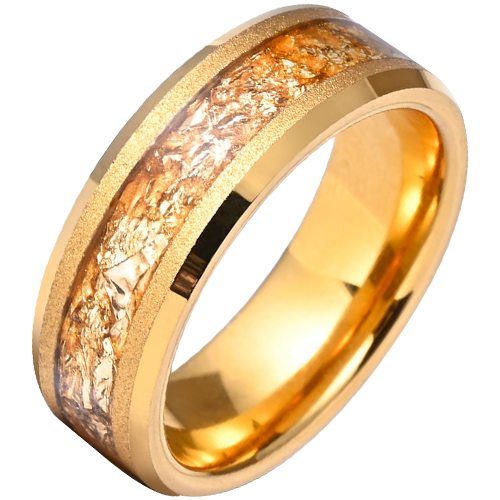
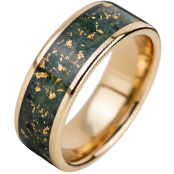
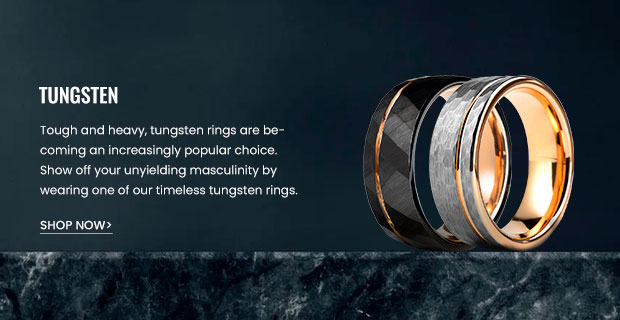
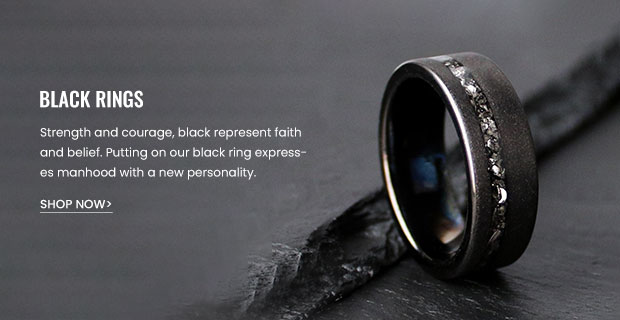
Men’s promise rings often feature bolder designs, like titanium, tungsteno, wood inlays, or minimalist black bands—perfect for daily wear without looking overly ornate.

Modern Customization: Non-Traditional Fingers and Designs
Today’s promise ring culture encourages individual style and flexibility. More people are moving beyond traditional ring placements to reflect their personalities, fashion preferences, or personal meanings.
Stackable Rings, Pinky Rings, or Middle Finger Styles
– Stackable Rings: Often worn with other jewelry, especially by women, to signify layered meanings (love, goals, personal promises).
– Pinky Rings: Sometimes used to represent self-love, independence, or identity.
– Middle Finger: Balanced placement and less symbolism, making it a popular choice for fashion-conscious individuals.
Designs have also evolved—promise rings can now be customized with engraved messages, initials, stones, or matching sets, making each ring a deeply personal item.
What Your Choice of Finger Says About Your Relationship
The finger you choose to wear your promise ring on can subtly express what your relationship means to you:
Dedo | Simbolismo |
Left Ring Finger | Romantic love, future engagement, deep emotional bond |
Right Ring Finger | Loyalty, friendship, serious commitment without engagement |
Dedo corazón | Balance, personal strength, low symbolic pressure |
Dedo meñique | Individuality, fashion, or personal vows |
Pulgar | Freedom, self-expression, or modern trend |
Remember: it’s not about tradition; it’s about intention. Let the placement reflect your connection, story, and shared values.

FAQs About Promise Ring Finger Selection
- What finger does a promise ring go on for a girl?
Traditionally, the left ring finger, especially if it’s a promise ring can be worn as a pre-engagement ring. - What finger does a promise ring go on for a guy?
Commonly the right ring finger or middle finger, depending on comfort and symbolism. - Can a promise ring be worn on the same finger as a wedding ring?
Yes, though many people switch fingers once they get engaged or married. - Is it okay to wear a promise ring on any finger?
Absolutely. The placement should reflect what feels right to the wearer. - Do both partners need to wear a promise ring?
Not necessarily. It’s a personal decision that depends on your relationship and agreement. - Will wearing it on the left hand confuse people with an engagement?
Possibly, but it’s common today—especially among younger couples—so context matters more than convention.
Final Advice: Let the Ring Reflect Your Intent, Not Just Tradition
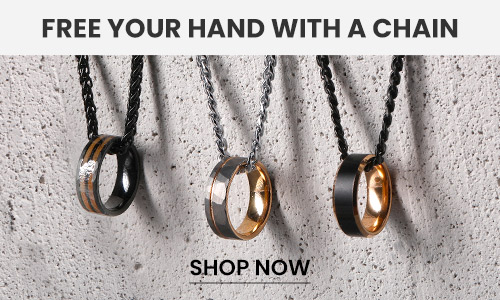
At the end of the day, the true value of a promise ring lies in its meaning, not its placement. Whether you wear it on your ring finger, your pinky, or even around your neck on a chain, what counts is the commitment it represents.
So, if you’re wondering what finger does a promise ring go on, remember: there’s no “right” finger—only the one that feels right for you and your journey.