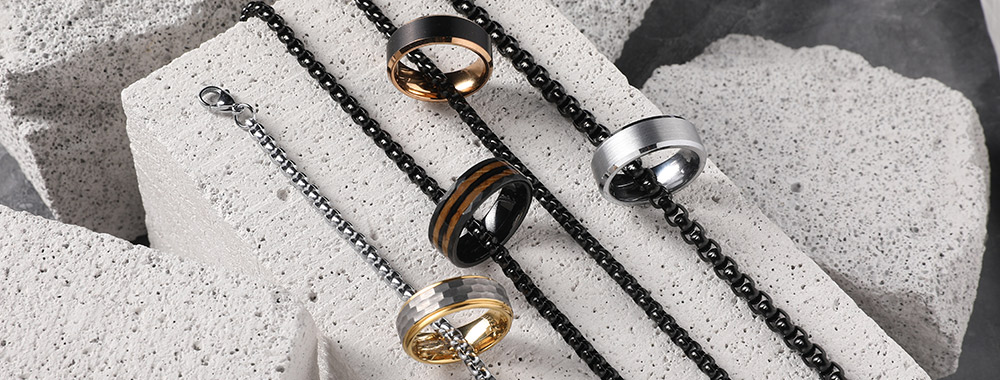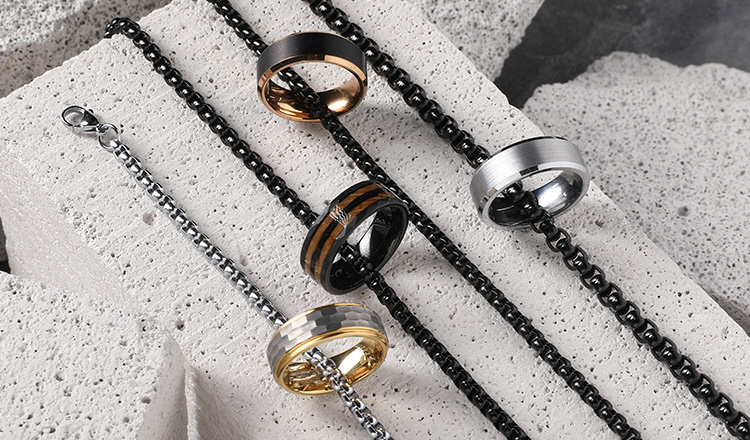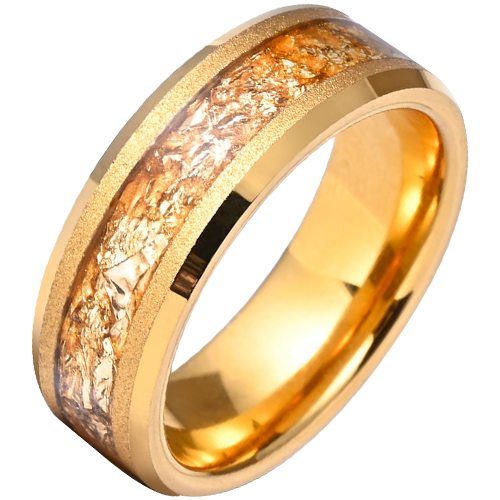













Introduction: The Danger of Traditional Metals on the Job
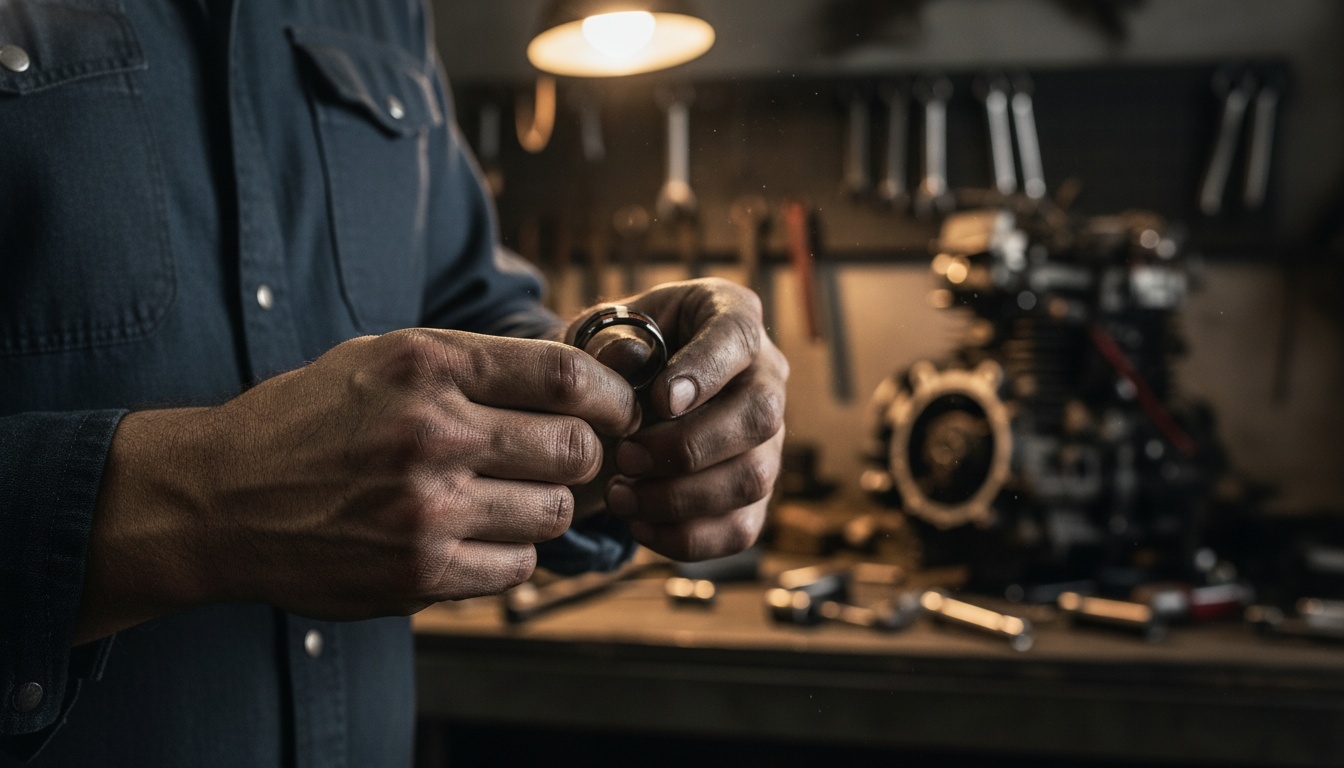
For professionals in trades, a ring is often more than an accessory—it is a potential hazard. The best rings for working hands are those that prioritize safety over shimmer. For mechanics and heavy laborers, the absolute safest choice is 黑鋯材 或 鎢 Carbide, as these materials are engineered to shatter under extreme pressure rather than bending and crushing the finger during an accident.
Why Traditional Gold and Silver Fail in the Workshop
Traditional precious metals like gold, silver, and even platinum are “malleable.” In a workshop environment, this softness is a significant liability. If a gold ring is caught in a gear or struck by a heavy object, it will “oval” and crush inward, potentially trapping the finger or causing a traumatic injury known as ring avulsion. Furthermore, these metals are highly conductive, posing a lethal risk for anyone working near live electrical currents or automotive batteries.
Top Material Choices for Blue-Collar Professionals
Black Zirconium: Lightweight and Heat Resistant
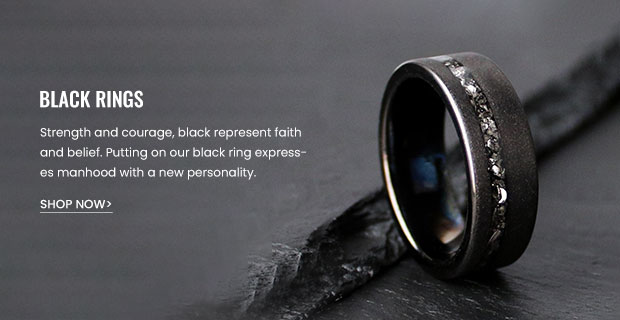
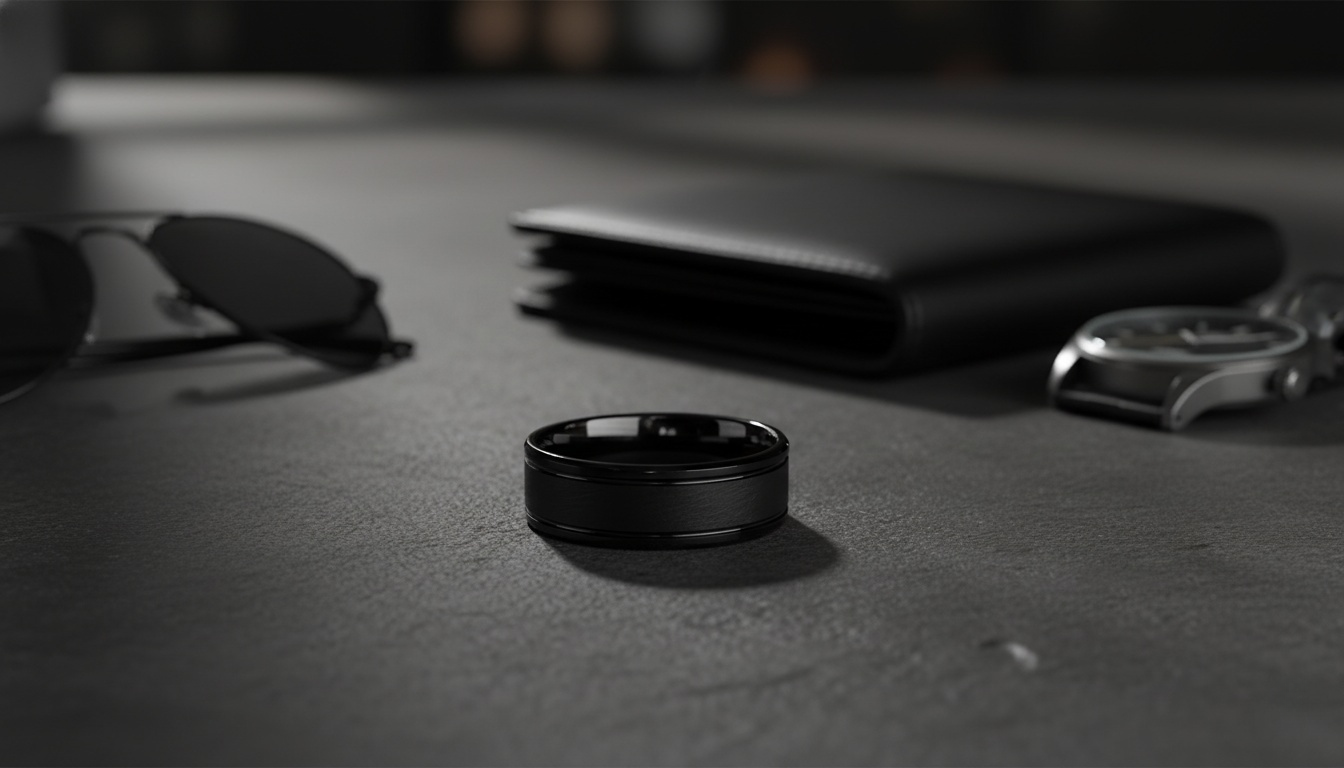
When discussing black zirconium durability, we are looking at a material originally developed for nuclear reactors and space exploration. It is prized by master mechanics because it is incredibly lightweight and possesses exceptional heat and corrosion resistance. Unlike “plated” black rings, which quickly show silver scratches, the black layer of zirconium is an oxidized “ceramic” skin that is chemically part of the metal itself. This ensures it won’t chip or peel even when submerged in corrosive engine oil, brake fluid, or industrial solvents.
Tungsten: Scratch-Resistant but Heavy
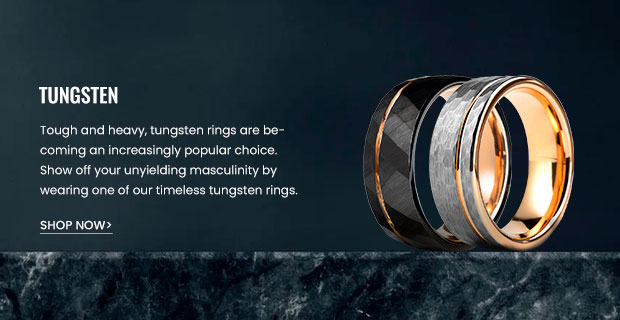
Tungsten remains the gold standard for those seeking safe rings for mechanics. Its primary benefit is its ranking on the Mohs scale—a staggering 9 out of 10. It is virtually impossible to scratch, even if it comes into constant contact with hardened steel wrenches, abrasive sandpaper, or concrete surfaces. While it is significantly heavier than zirconium, providing a “substantial” feel on the hand, it offers the same “shatter-safe” profile: under a sudden crushing force, it will snap into clean pieces rather than deforming into a vice around your knuckle.
Safety First: Conductive vs. Non-Conductive Rings
When choosing a band for a high-risk trade, you must evaluate how the material reacts to the laws of physics and electricity. A “Safety-First” mindset involves looking at three critical factors:
-
Conductivity: Metals like gold and copper are excellent conductors. For electricians or EV technicians, a low-conductivity material like Black Zirconium acts as a vital safety barrier, reducing the risk of accidental grounding or electrical arc flashes.
-
The Shatter Factor: In a “pinch” or “snag” accident, you want a ring that fails before your bone does. Tungsten and Ceramic are “brittle” materials; they do not bend. They are designed to fail catastrophically (shatter) under high-PSI impact, which is a life-saving feature in heavy industry.
-
Avulsion Prevention: The most dangerous rings are those with high-profile “tiffany” settings or deep external grooves that can hook onto moving machinery. Minimalist, flush-set designs are the only recommended styles for active workshops.
 3 Minimalist Styles That Won’t Get Caught on Machinery
-
The Low-Profile Pipe Cut: This design features a flat, thin-wall band that sits extremely close to the skin. By reducing the “shelf” of the ring, you minimize the surface area that can get caught on the edge of a machine or an engine block.
-
The Domed Comfort Fit: Its rounded, aerodynamic exterior allows gloves, cables, and machinery to slide over the surface rather than hooking onto a sharp edge. It is the most “fluid” design for those who work with their hands in tight spaces.
-
The Brushed Finish: Unlike a high-polish mirror finish, a brushed texture hides the inevitable micro-scratches from tool use. This ensures the ring maintains its professional “Identity Signal” for years without needing constant polishing.
The Tradesman’s Ring Safety Comparison
|
特點 |
黑鋯材 |
碳化鎢 |
Traditional Gold |
|
Shatter-Safe? |
是 |
是 |
No (Bends/Crushes) |
|
Conductivity |
Very Low |
中度 |
High Risk |
|
重量 |
輕巧 |
重型 |
中度 |
|
耐刮擦 |
高 |
Highest |
低 |
|
理想用途 |
Electricians/Mechanics |
Heavy Construction |
Office/Leisure |
Conclusion: The Best Choice for Your Trade
The best purchase decision for your working hands depends on your specific daily hazards:
-
For Electricians and Technicians: Your priority is insulation. Choose Black Zirconium. Its unique oxidized surface provides a level of heat resistance and low conductivity that is far superior to traditional metals.
-
For Mechanics and Machinists: Opt for 碳化鎢. The superior tungsten ring durability ensures your band remains scratch-free despite constant contact with steel tools and rough engine components.
-
For General Laborers: Either material provides a massive safety upgrade over gold. Always ensure you use a professional 戒指尺寸 before ordering, as these “shatter-safe” materials cannot be resized once they are forged.