











When it comes to men’s wedding bands, few materials combine strength, comfort, and modern aesthetics quite like titanium. A common question we get at Gentlebands is: “Does titanium tarnish?” The short answer is a resounding no, but there’s more to it than that.
In this guide, we’ll break down everything you need to know about titanium—how this popular 男戒 metal behaves over time, how it compares to other materials, and why it’s an excellent choice for your lifestyle and commitment.
What Is Titanium and Why It’s Used in Men’s Rings
Titanium is an exceptionally lightweight yet incredibly strong metal, widely used in everything from aerospace engineering to medical implants. Its inherent durability, combined with a natural resistance to corrosion, makes it a top pick for men’s rings—especially for those who value long-lasting performance and a sleek aesthetic.
At Gentlebands, our 鈦金戒指 are crafted with active, hands-on men in mind. Whether you’re on a construction site, hiking a mountain trail, or navigating office life, your ring is designed to remain sharp and resilient.
Titanium vs. Titanium Steel vs. Gold Titanium: Key Differences
Not all “titanium” jewelry is the same, and understanding the distinctions is important:
-Pure Titanium: This is the most common form in high-quality rings. It’s naturally hypoallergenic, highly corrosion-resistant, and incredibly light. It will not tarnish or rust, even after years of continuous wear.
-Titanium Steel (an alloy): This is typically a mix where titanium is alloyed with steel (which contains iron). While often strong, the presence of iron can make it more prone to minor oxidation or surface discoloration under extreme conditions, meaning it might not be as completely tarnish-proof as pure titanium.
-Gold Titanium: This usually refers to a coating or an alloy blend where gold is mixed with titanium. Rings with significant gold content or plating may require more care, as gold is a softer, more tarnish-prone metal than pure titanium.

Does Titanium Tarnish, Rust, or Fade Over Time? The Truth
Pure titanium’s remarkable resistance to titanium tarnish and other forms of degradation stems from a unique natural process.
How Pure Titanium Behaves in Air, Water, and Skin Contact
When exposed to oxygen (which is virtually everywhere), titanium rapidly forms a protective, invisible oxide layer on its surface. This phenomenon, called passivation, naturally seals the metal, guarding it against corrosion, rust, and discoloration. This protective layer means your 鈦金戒指 won’t react to humid environments, saltwater, sweat, or even the skin’s natural oils and acidic environments. You won’t see green fingers, brown streaks, or fading—just clean, consistent metal.
Common Myths About Discoloration and Dulling
One of the biggest misconceptions is that titanium “fades” or “loses color.” What some might interpret as actual titanium tarnish or permanent discoloration is almost always a build-up of surface grime (like soap residue or lotions) or minor micro-scratches from daily wear. Unlike true oxidation or rust, which chemically alters a metal, these surface issues can easily be cleaned or professionally polished out, restoring the ring’s original luster.
How Titanium Compares to Other Metals Like Tungsten and Stainless Steel
Titanium’s unique properties truly shine when compared against other popular alternative metals for 男戒.
Here’s how titanium tarnish resistance and other features stack up:.
|
特點 |
鈦 |
不銹鋼 |
|
|
Tarnish/Corrosion Resistance |
極佳 (Passivation layer) |
Excellent (Highly inert) |
Moderate (Can rust/corrode in harsh conditions) |
|
耐刮擦 |
Good (Can show light scratches) |
非常高 (Extremely scratch-proof) |
Moderate (Prone to scratches) |
|
重量 |
輕巧 |
重型 |
中型 |
|
低過敏性 |
是 (Highly biocompatible) |
Sometimes (Depends on binder metal) |
Depends on alloy (Can contain nickel) |
|
Fracture Resistance |
高 (Resistant to shattering/bending) |
Low (Can be brittle/shatter) |
高 |
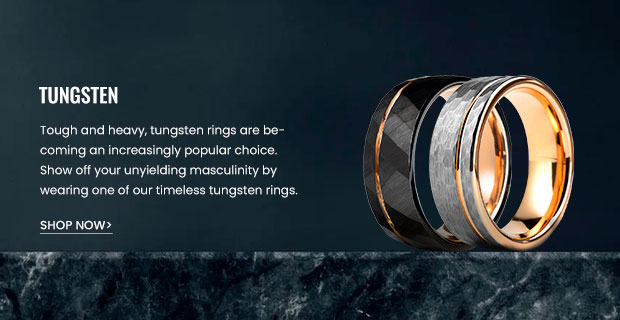
Titanium’s true strength lies in its balanced blend of comfort and durability. Unlike tungsten, which can crack under severe impact, or stainless steel, which can corrode in certain environments, titanium provides a robust yet lightweight option for everyday wear.

Impact of Skin Oils, Soaps, and Sweat on Metal Finishes
Unlike plated metals or those prone to chemical reactions, titanium’s finish won’t degrade from exposure to moisture or skin contact. Soap or lotion buildup might temporarily dull its appearance, but a quick clean restores its natural luster. Since it’s generally nickel-free, there’s no risk of allergic reactions or skin discoloration due to sweat or pH imbalances.
How to Maintain the Shine and Finish of Titanium Rings
Maintaining your rugged yet refined 鈦金戒指 is straightforward.
Cleaning Tips for Brushed, Polished, and Matte Titanium
To keep your titanium ring looking its best:
-Routine Cleaning: Mix warm water with mild soap (like hand soap) and gently scrub your ring using a soft microfiber cloth.
-Deep Cleaning: For textured grooves or etched patterns, use a soft-bristle toothbrush to remove buildup.
-Matte/Brushed Finishes: Avoid polishing cloths designed for gold or silver. Stick to dry microfiber to preserve the specific texture.
What to Avoid: Harsh Chemicals, Saltwater, Ultrasonic Baths
While titanium is incredibly resilient, prolonged exposure to certain substances can affect its surface finish, though they won’t cause actual tarnish. We recommend removing your ring before:
·Swimming in heavily chlorinated pools.
·Using strong cleaning agents (e.g., bleach, industrial cleaners).
·Placing it in an ultrasonic cleaner without first checking its compatibility with titanium.
Is Titanium a Good Choice for Your Men’s Wedding Band?
Titanium offers an excellent blend of durability, unique style, and affordability.
Durability, Style, and Affordability Compared to Other Metals
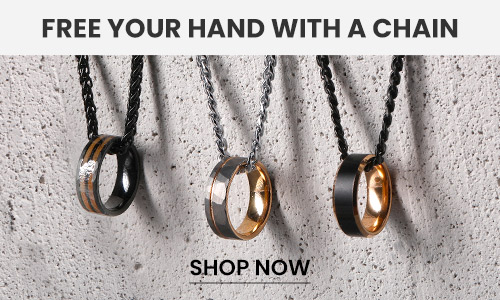
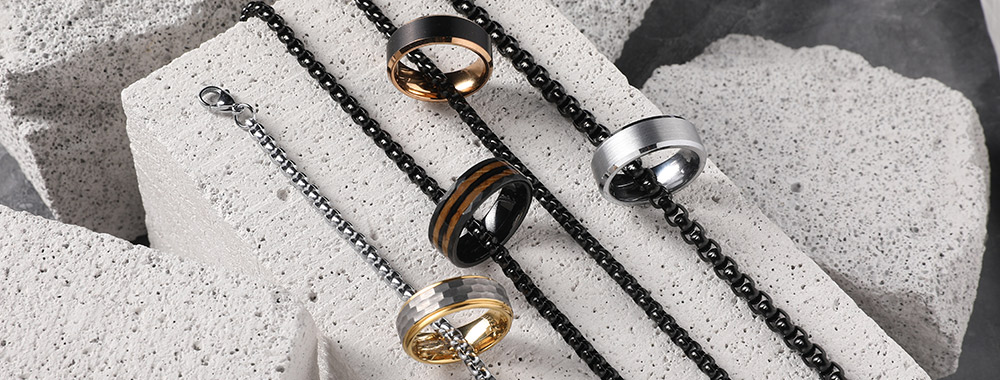
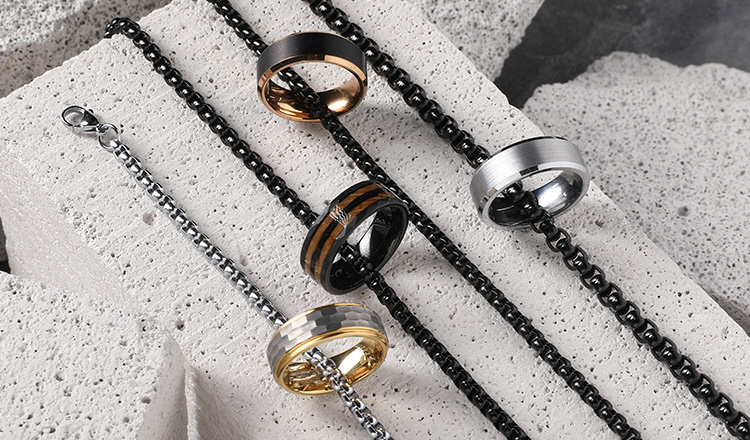
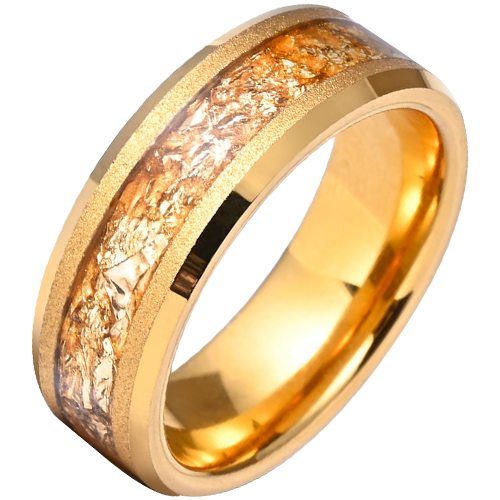
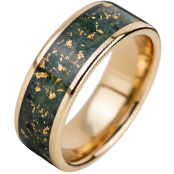
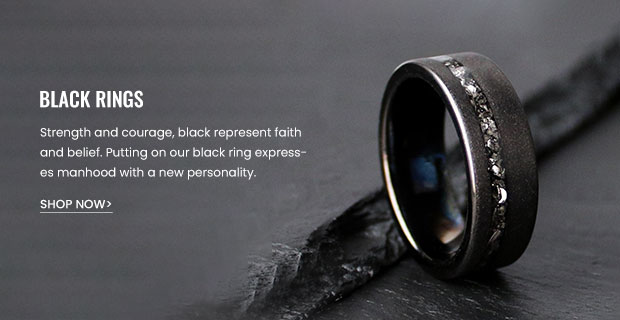
鈦戒指 typically range in price from $150–$300, providing an ideal balance between cost and high performance. For men who want a modern look without the flash of gold or the maintenance of silver, it’s an excellent everyday ring. Its understated tone complements a wide variety of styles—from rustic wood inlays to bold black or blue accents, making for genuinely unique men’s wedding bands.
Who Should (and Shouldn’t) Choose Titanium Rings
Choose titanium if:
·You want a lightweight and comfortable band that you’ll barely notice.
·You work with your hands or lead an active lifestyle and need a ring that’s resilient to impact.
·You prefer a modern, industrial, or understated aesthetic.
·You have sensitive skin or metal allergies.
Avoid titanium if:
·You anticipate needing to resize the ring later (resizing titanium is difficult and often not possible for complex designs).
·You’re seeking a ring primarily for its high-end luxury value as an investment or heirloom.
·You prefer the noticeable weight and feel of heavier metals like platinum or gold.

Conclusion: Titanium Rings Don’t Tarnish—They Endure
To definitively answer “Does titanium tarnish?”—no, it doesn’t. Titanium isn’t just tarnish-proof; it’s built to withstand the rigors of daily life. At Gentlebands, we believe every ring should tell a story of strength, simplicity, and style. That’s why we craft men’s rings from premium titanium, perfect for weddings, anniversaries, or daily wear.
Not only does it not tarnish, but it stays true to you and your journey. Ready to explore our collection of titanium and other unique men’s wedding bands? Visit Gentlebands and find a ring that’s as enduring as your story.